
Acupuncture
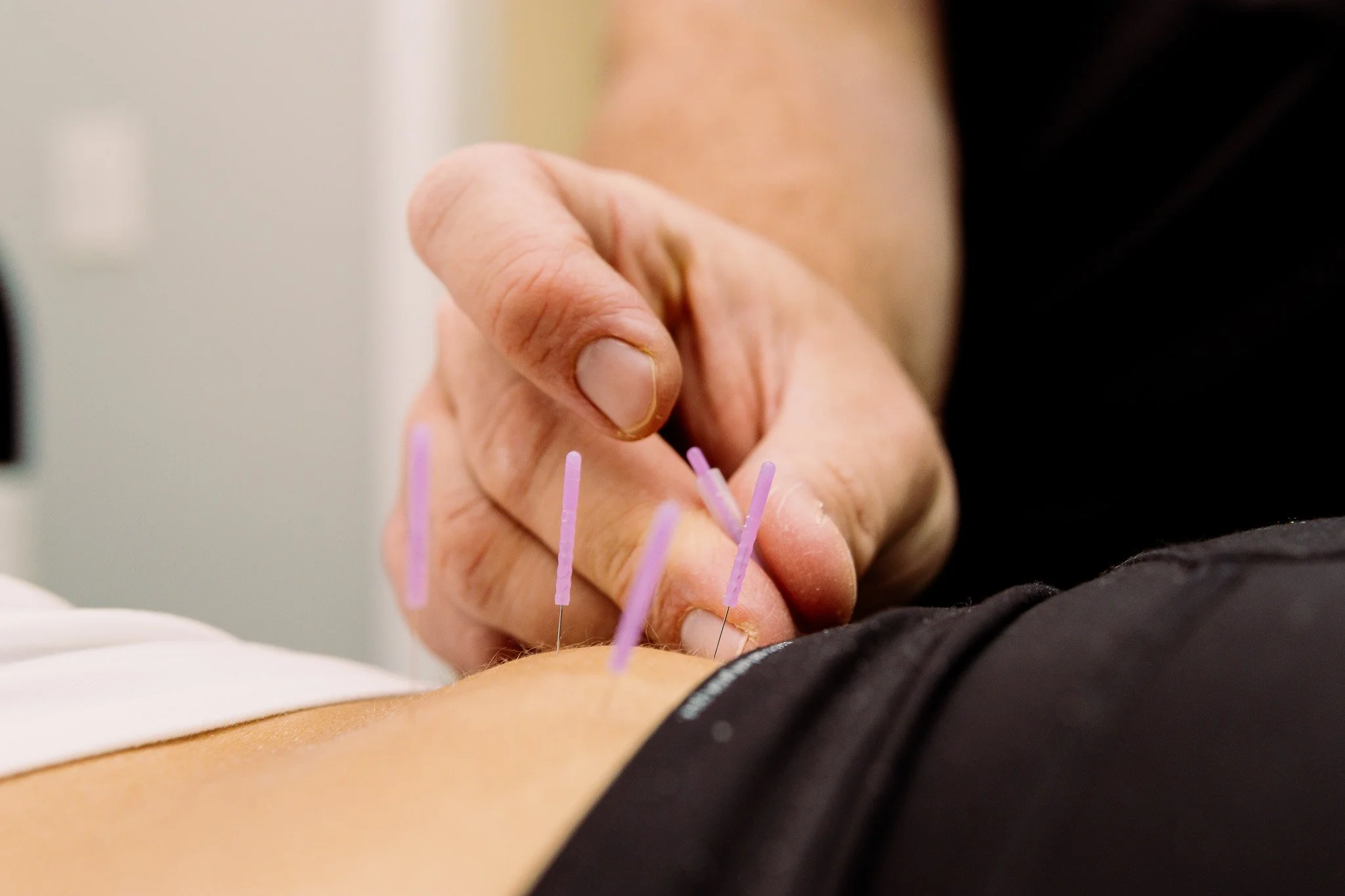
Acupuncture, a key component of traditional Chinese medicine, has been practiced for thousands of years. It involves inserting thin needles into specific points on the body to balance energy flow and promote healing. Acupuncture can benefit you in several ways, and it can help with functionality and any pain you might be dealing with.
Understanding Acupuncture
Acupuncture is widely known for its ability to alleviate various types of pain, including chronic pain, headaches, migraines, and arthritis. It can reduce inflammation and stimulate the release of endorphins, the body’s natural painkillers. Many people also turn to acupuncture for stress relief. It can help regulate the body’s stress response, promoting relaxation and emotional well-being. Since your stress is being managed, it can also help with sleep.
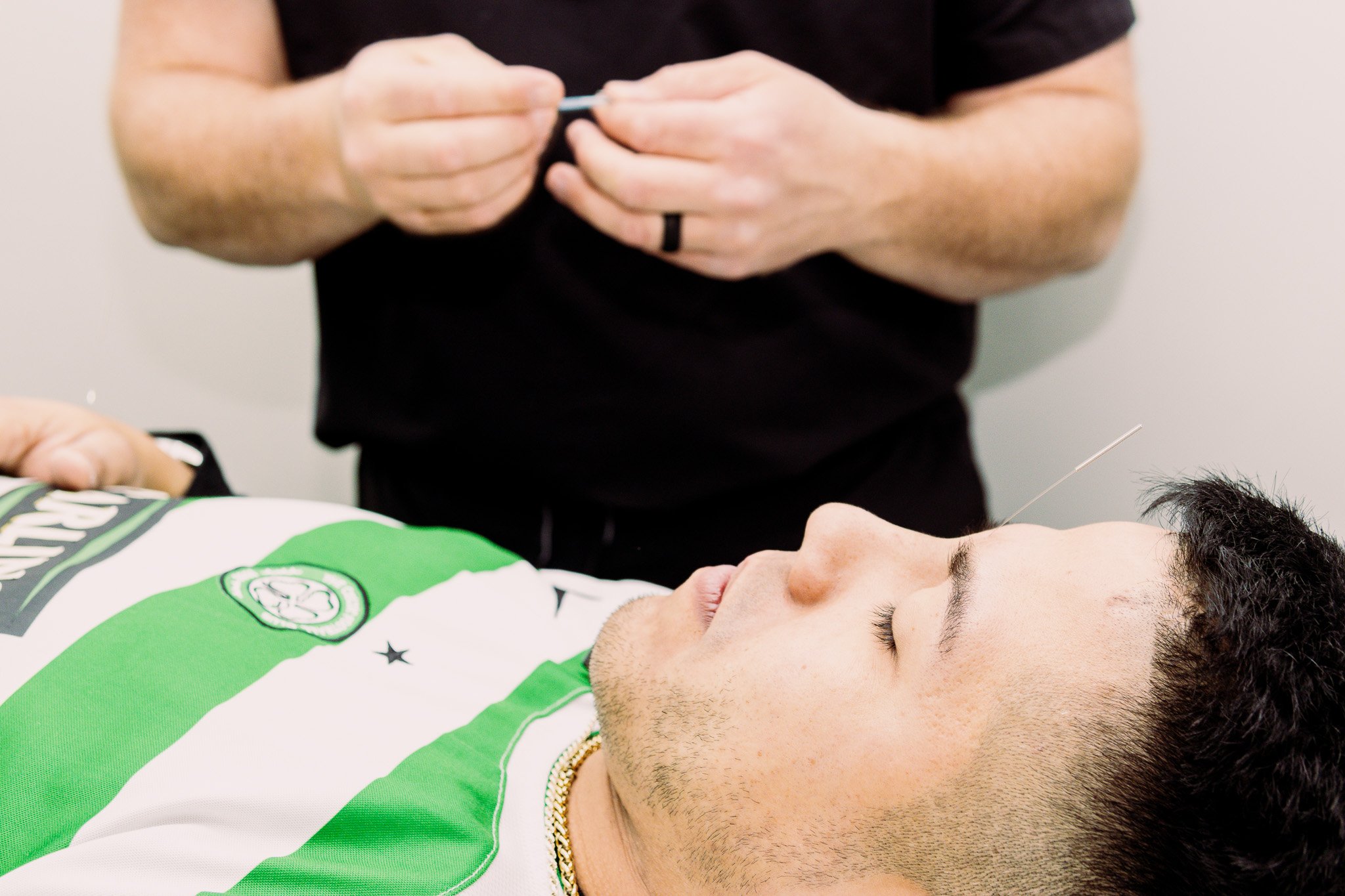
Your first session will typically involve a detailed consultation. Your doctor will ask about your medical history, lifestyle, and specific health concerns to tailor the treatment to your needs. When acupuncture begins, your doctor in Nutley and Fairfield, NJ, will insert very thin, sterile needles into specific points on your body. You may feel a slight prick or tingling sensation, but most people find the process relaxing. The needles will remain in place for about 15-30 minutes while you relax. Many people find this time deeply calming and may even fall asleep.
-
Acupuncture works by stimulating the body’s natural healing processes by treating muscles, enhancing circulation, and releasing endorphins.
-
Most people feel little to no pain during acupuncture. The needles are very thin, and you may experience a slight tingling, warmth, or mild sensation at the insertion points.
-
Acupuncture is often used to treat:
- Chronic pain (back, neck, knee, arthritis, etc)
- Migraines and headaches
- Stress, anxiety, and depression
- Insomnia
- Digestive disorders
- Menstrual and fertility issues
- Allergies and respiratory problems -
Yes, when performed by a licensed and trained practitioner, acupuncture is generally safe. Sterile, single-use needles are used to minimize the risk of infection and disposed of after each treatment.
-
The number of sessions depends on your condition, its severity, and how your body responds. Some people feel better after one session, while others may require regular treatments over weeks or months.
-
Your first session will typically include:
- A detailed consultation about your health history and concerns
- An explanation of the treatment plan
- The actual acupuncture session, which may last 20–45 minutes -
- Wear loose, comfortable clothing.
- Eat a light meal or snack before your appointment.
- Avoid alcohol or caffeine beforehand.
- Stay hydrated. -
Side effects are rare but may include:
- Mild bruising or soreness at needle sites
- Fatigue or lightheadedness
- Temporary symptom flare-up after treatment, typically can last 24-36 hours -
Yes, acupuncture can be safe and effective for children when performed by a qualified practitioner. Techniques may be adjusted to suit their needs.
-
In most cases, a referral is not required. However, check with your insurance provider if acupuncture is covered and whether they require a referral.
-
Yes, acupuncture is often used alongside conventional medicine, physical therapy, chiropractic care, or herbal remedies. Inform your practitioner about other treatments you are receiving.